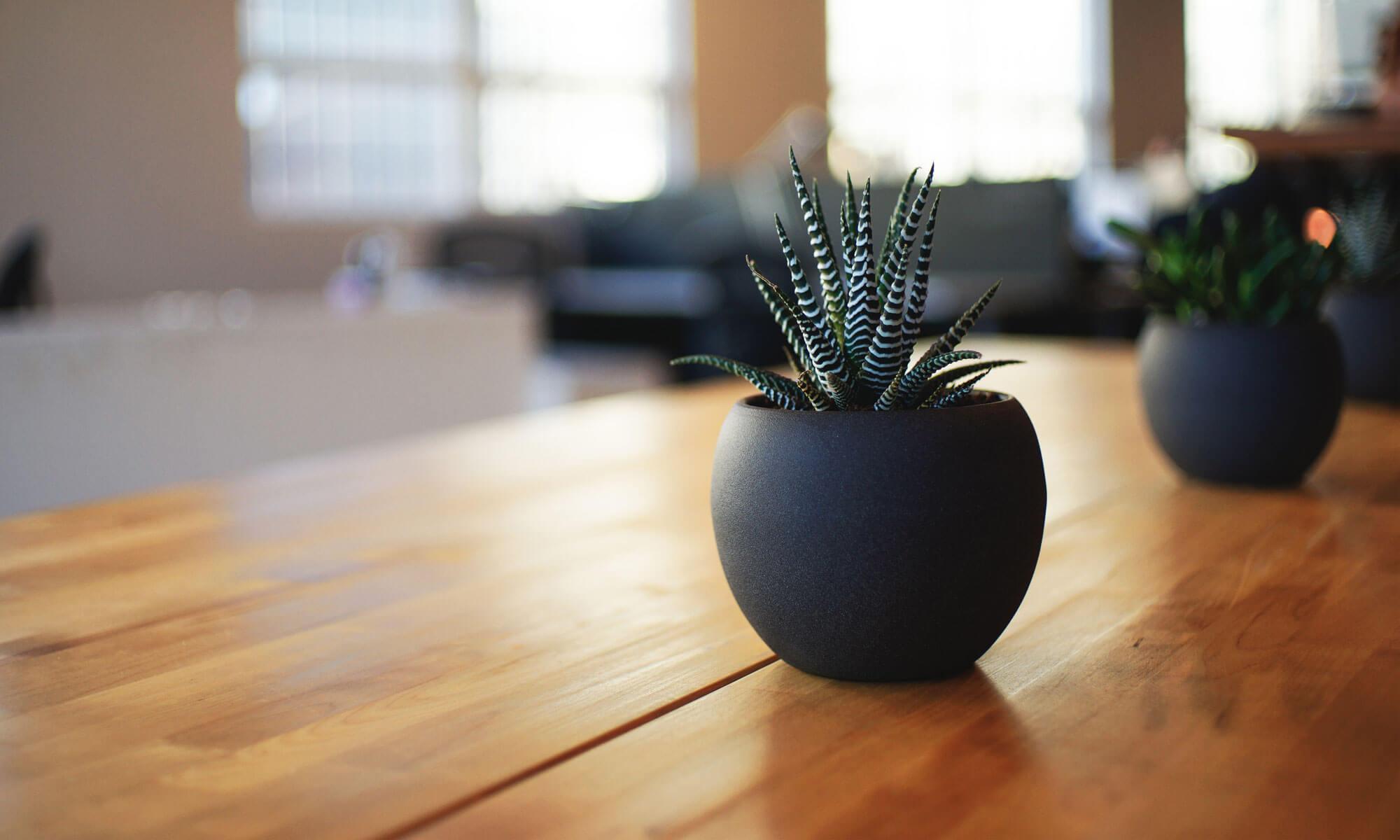
- Radiant palettes and clever space planning elevate your interior design to new heights
- Understanding Color Palettes and Their Impact
- The Psychological Effects of Different Shades
- Maximizing Space Through Clever Layout and Furniture Selection
- The Art of Multifunctional Furniture
- Lighting Design: Shaping Mood and Functionality
- Natural Light Integration and Enhancement
- Material Selection and Textural Harmony
- Creating Personalized Spaces Through Accessories and Art
Radiant palettes and clever space planning elevate your interior design to new heights
The pursuit of beautiful and functional spaces is a deeply human one, and at the heart of this pursuit lies the art of interior design. It's more than just arranging furniture; it's about crafting environments that enhance our lives, reflect our personalities, and support our daily activities. A well-considered design can transform a house into a home, a workspace into a hub of productivity, or a commercial space into a welcoming destination. Understanding the principles of design, the interplay of color and texture, and the importance of spatial awareness are crucial elements in achieving a cohesive and harmonious aesthetic.
Today’s design landscape is incredibly diverse, drawing inspiration from a wide range of styles, cultures, and technologies. From minimalist Scandinavian designs to the opulent grandeur of Art Deco, there's a style to suit every taste and preference. The increasing focus on sustainability and wellness is also shaping current trends, with designers prioritizing natural materials, energy efficiency, and creating spaces that promote mental and physical well-being. Furthermore, the integration of smart home technology is revolutionizing how we interact with our surroundings, offering unprecedented levels of comfort and convenience.
Understanding Color Palettes and Their Impact
Color is arguably the most powerful tool in an interior designer’s arsenal. It has the ability to dramatically alter the mood and perception of a space. Warm colors like reds, oranges, and yellows tend to evoke feelings of energy, excitement, and intimacy, making them ideal for social areas like living rooms and dining rooms. Conversely, cool colors like blues, greens, and purples promote calmness, serenity, and relaxation, which are well-suited for bedrooms and bathrooms. However, the effective use of color isn't simply about choosing hues; it’s about understanding how they interact with each other and with the available light. A monochromatic palette, using different shades of a single color, can create a sophisticated and calming atmosphere, while a complementary color scheme, utilizing colors opposite each other on the color wheel, can generate a vibrant and dynamic effect.
The context of the space and its intended use also play a significant role in color selection. A home office might benefit from cooler, more focused colors to promote concentration, while a children’s playroom might embrace brighter, more stimulating shades. It’s important to consider the psychological effects of color and tailor the palette accordingly. Don't underestimate the power of neutral tones either. Gray, beige, and white provide a versatile backdrop that allows bolder colors to shine and can be easily adapted to changing trends.
The Psychological Effects of Different Shades
The psychology of color is a fascinating field, and understanding its nuances can elevate a design from simply aesthetically pleasing to truly impactful. For example, blue is often associated with trust, stability, and intelligence, making it a popular choice for corporate environments. Green is linked to nature, growth, and harmony, bringing a sense of freshness and tranquility to indoor spaces. Red, while energetic and stimulating, can also evoke feelings of passion and danger, so it’s best used as an accent color rather than dominating an entire room. Yellow is associated with optimism and happiness, but too much can be overwhelming. And finally, white represents purity, cleanliness, and simplicity, serving as a perfect canvas for showcasing other colors and textures.
Furthermore, cultural associations with color can vary greatly. What may be considered a lucky or auspicious color in one culture could be associated with mourning or negativity in another. Designers working with international clients need to be mindful of these cultural differences to avoid unintentional misinterpretations. Ultimately, the goal is to create a color palette that not only looks beautiful but also resonates with the client’s personal preferences and the intended atmosphere of the space.
| Blue | Trust, stability, intelligence, calmness | Bedrooms, offices, corporate spaces |
| Green | Nature, growth, harmony, freshness | Living rooms, bathrooms, relaxation areas |
| Red | Energy, excitement, passion, danger | Accent walls, dining rooms (in moderation) |
| Yellow | Optimism, happiness, creativity | Kitchens, children's rooms, creative spaces |
Choosing the right color palette requires careful consideration and a keen eye for detail. It’s a process that involves understanding the interplay of light, space, and personal preferences, ultimately resulting in a harmonious and visually appealing environment.
Maximizing Space Through Clever Layout and Furniture Selection
One of the most common challenges in interior design is making the most of limited space. Whether it’s a small apartment, a cramped bedroom, or a multifunctional living area, clever layout and furniture selection are essential for creating a spacious and comfortable environment. Prioritizing functionality without sacrificing style is key. This often involves thinking vertically, utilizing storage solutions that maximize wall space, and choosing furniture pieces that serve multiple purposes. For example, a storage ottoman can provide both seating and hidden storage, while a wall-mounted desk can free up valuable floor space. Careful planning and a strategic approach to space management can transform a small area into a highly functional and inviting haven.
Beyond furniture selection, the layout of a room can significantly impact its perceived spaciousness. Avoiding clutter and creating clear pathways are crucial. Using mirrors strategically can create the illusion of more space, reflecting light and expanding the visual boundaries of the room. Light colors and minimal patterns also contribute to a more open and airy feel. It’s important to consider the flow of movement within the space and arrange furniture in a way that facilitates easy circulation. A well-planned layout should feel natural and intuitive, allowing residents to move freely and comfortably throughout the room.
The Art of Multifunctional Furniture
In today’s fast-paced world, multifunctional furniture has become increasingly popular, especially in smaller living spaces. The ability to transform a piece of furniture from one function to another can save valuable space and add convenience to daily life. Sofa beds are a classic example, offering a comfortable seating area by day and a convenient sleeping space for guests. Extendable dining tables can accommodate larger gatherings without taking up excessive space when not in use. And storage beds provide hidden storage for bedding, clothing, or other items, maximizing space in bedrooms.
The key to successful multifunctional furniture selection is to choose pieces that are both stylish and practical. Look for designs that are well-crafted, durable, and aesthetically pleasing. Avoid sacrificing comfort for functionality – the furniture should be comfortable to use in both its primary and secondary functions. With a little creativity and careful planning, multifunctional furniture can be a game-changer for small spaces, allowing residents to enjoy the benefits of a larger home without the constraints of limited square footage.
- Prioritize vertical storage: Utilize shelves, cabinets, and wall-mounted organizers.
- Choose light colors: They reflect light and make spaces feel larger.
- Invest in multifunctional furniture: Maximize space with convertible pieces.
- Declutter regularly: Remove unnecessary items to create a more open feel.
By embracing these strategies, even the smallest spaces can be transformed into comfortable, stylish, and functional environments.
Lighting Design: Shaping Mood and Functionality
Effective lighting is an often-overlooked element of interior design, yet it plays a critical role in shaping the mood, functionality, and overall aesthetic of a space. A well-lit room feels more inviting, spacious, and comfortable. There are three primary types of lighting to consider: ambient, task, and accent. Ambient lighting provides overall illumination, typically through ceiling fixtures or recessed lighting. Task lighting focuses on specific areas for activities like reading, cooking, or working, utilizing lamps or under-cabinet lights. And accent lighting highlights architectural features or artwork, creating visual interest and drama. Combining these different types of lighting creates a layered and balanced effect.
The color temperature of light is also important. Warm white light (around 2700K) creates a cozy and inviting atmosphere, ideal for bedrooms and living rooms. Cool white light (around 4000K) is more energizing and suitable for kitchens, bathrooms, and workspaces. Daylight-balanced light (around 5000K) mimics natural daylight and is often used in art studios or areas where accurate color rendering is important. Dimmer switches allow for flexibility and control, enabling you to adjust the brightness and mood of a room throughout the day.
Natural Light Integration and Enhancement
Whenever possible, maximizing natural light should be a top priority in any design project. Natural light not only enhances the beauty of a space but also promotes health and well-being. Large windows, skylights, and light-colored window treatments can help to bring in more natural light. However, it’s also important to control the amount of light entering a room to avoid glare and overheating. Using sheer curtains or blinds can diffuse the light and create a softer, more comfortable atmosphere. Strategic placement of mirrors can also reflect natural light and amplify its effect throughout the space.
Even in spaces with limited natural light, you can create the illusion of more daylight by using bright, reflective surfaces and incorporating elements of nature, such as plants and natural materials. A well-designed lighting scheme should seamlessly integrate natural and artificial light, creating a harmonious and inviting environment.
- Assess existing light sources: Evaluate the amount of natural light and the placement of electrical outlets.
- Plan layers of lighting: Incorporate ambient, task, and accent lighting for a balanced effect.
- Choose appropriate color temperatures: Select warm white for cozy spaces and cool white for functional areas.
- Utilize dimmer switches: Allow for flexibility and control over the lighting intensity.
Thoughtful lighting design is a transformative element, capable of dramatically improving the ambiance and functionality of any interior space.
Material Selection and Textural Harmony
The materials used in interior design are as important as the colors and layouts. They contribute significantly to the overall aesthetic, comfort, and durability of a space. Choosing the right materials involves considering not only their visual appeal but also their practical properties, such as resistance to wear and tear, ease of maintenance, and environmental impact. Natural materials like wood, stone, and cotton offer a warm and inviting feel, while synthetic materials like plastic and metal can provide a more modern and streamlined look. The key is to create a harmonious blend of textures and materials that complement each other and enhance the overall design.
Texture plays a crucial role in adding depth and interest to a space. Combining smooth surfaces with rough textures can create a dynamic contrast that draws the eye. For example, pairing a sleek leather sofa with a textured rug or a polished concrete floor with a woven wall hanging. Layering different textures also adds a sense of tactile comfort and invites touch. Consider the interplay of materials and how they respond to light. Shiny surfaces reflect light and create a sense of spaciousness, while matte surfaces absorb light and create a more intimate atmosphere.
Creating Personalized Spaces Through Accessories and Art
The final touches – accessories and art – are what truly personalize a space and make it feel like home. These elements are an opportunity to express individual style and create a unique atmosphere. Carefully chosen artwork, decorative objects, and personal mementos can inject personality and character into a room. Don't be afraid to mix and match different styles and eras, but ensure there is a cohesive thread that ties everything together. Whether it’s a bold statement piece of art or a collection of cherished photographs, accessories should reflect the homeowner's interests and passions.
The arrangement of accessories is just as important as the selection. Grouping items in odd numbers often creates a more visually appealing arrangement. Varying heights and textures adds depth and interest. And don’t be afraid to experiment with different layouts until you find one that feels balanced and harmonious. Remember that less is often more. Overcrowding a space with too many accessories can create a cluttered and overwhelming feel. The goal is to curate a collection of items that are meaningful and visually appealing, creating a space that feels inviting, comfortable, and authentically you.